〒502-0005
岐阜市岩崎2-18-1
岐阜市岩崎2-18-1











 >ブログ
>ブログ








Yes, Singapore’s early childhood education system stands out in several ways compared to other countries:
Bilingual Education – Unlike many Western countries that primarily focus on a single language, Singapore mandates bilingual education from an early age, requiring children to learn both English and their mother tongue (Mandarin, Malay, or Tamil).
Government Regulation & Support – The Early Childhood Development Agency (ECDA) oversees and standardizes preschool education, ensuring high-quality learning environments. In contrast, countries like the US and UK have a mix of public and private preschool systems with varying regulations.
Holistic & Play-Based Learning with Strong Academics – While Nordic countries like Finland focus almost entirely on play-based learning, Singapore integrates structured academics early, preparing children for its rigorous primary school system.
STEAM & Digital Literacy Focus – Singaporean preschools emphasize early exposure to Science, Technology, Engineering, Arts, and Mathematics (STEAM), as well as digital literacy, which is more advanced compared to many Asian countries.
Multicultural & Global Orientation – Due to its diverse population, Singaporean preschools expose children to multiple cultures, fostering global awareness—something that is less emphasized in more homogeneous countries like Japan or South Korea.
Overall, Singapore’s system uniquely blends rigorous academic preparation, bilingualism, government oversight, and global readiness, making it distinct from both Western and Asian early childhood education models.
シンガポールの幼児教育は、他の国と比較していくつかの独自の特徴があります。
バイリンガル教育
政府の規制と支援
遊び中心の学習と強い学力志向の融合
STEAM教育とデジタルリテラシーの重視
多文化的・国際的な視点
総じて、シンガポールの幼児教育は、高度な学力準備、バイリンガル教育、政府の厳格な管理、そして国際的な視点の育成を融合した独自のモデルであり、欧米やアジアの教育システムと一線を画しています。
📲℡ 「岐阜へいくから、幼稚園へ遊びに行っても良いですか?」
👩「もちろんですよ〜楽しみにお待ちしてます!」
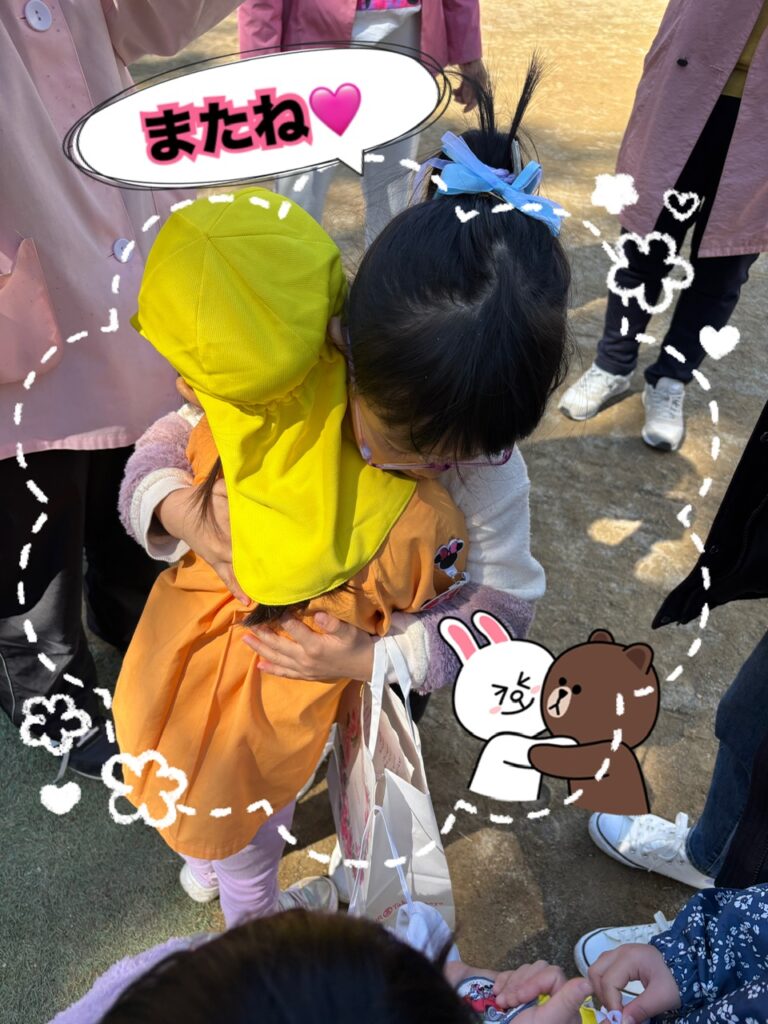
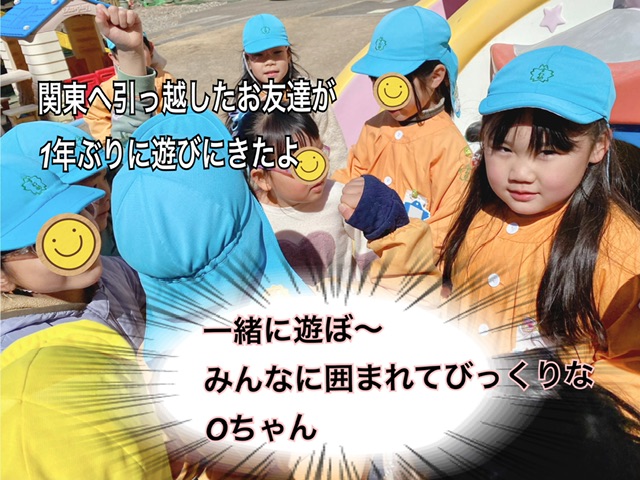
年少の時に、関東へお引っ越しをしたOちゃんが、「諏訪幼稚園へ行きたい!」とママに懇願🤲し、来園しました。
年少さんから年長さんまで、みんなで約束の時間⏰前から、
「まだかな〜、まだかな〜」と待ち構えていました。
Oちゃんが到着すると、みんながワーっと集まって出迎え、
😳ビックリしたのか、ママに隠れてました🤭
懐かしいお部屋を見て回ったり、
教室で、一緒に朝の会でお歌を歌ったりするうちに、
だんだん以前のよくお話しできるOちゃんになり、
新しい幼稚園でのことやお友だちのお名前など、楽しそうに話していました。
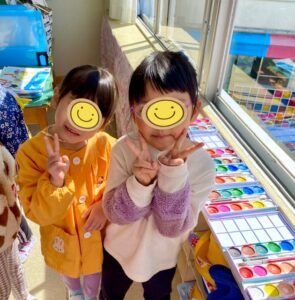
慣れた頃、楽しい時間は早くたつもので、帰る時間になり、
最後はハグで
「またきてね」