〒502-0005
岐阜市岩崎2-18-1
岐阜市岩崎2-18-1
















 >ブログ
>ブログ











マレーシアの幼児教育は、知的・情緒的・社会的・身体的な全人的発達を重視するよう設計されています。マレーシア教育省(MOE)が幼児教育を管轄し、国家の目標である国民の統一と国際競争力の強化に沿った教育を提供しています。
多言語教育
マレーシアの多文化環境を活かし、マレー語(公用語)、英語、中国語(マンダリン)、タミル語などを幼児期から学びます。これにより、認知能力や異文化理解が向上します。
宗教教育と道徳教育の統合
公立幼稚園ではイスラム教育が組み込まれていますが、私立幼稚園ではキリスト教、仏教、または世俗的な教育を選ぶことも可能です。道徳教育や人格形成も重視されます。
遊びを通じた学習とSTEAM教育
遊びを通じた学習、STEAM(科学・技術・工学・芸術・数学)教育、デジタルリテラシーが多くの幼稚園で導入され、創造力や問題解決能力を育てます
公立と私立の柔軟な選択肢
公立幼稚園(Tadika KEMAS、PERMATA)は手頃な料金で提供され、私立幼稚園ではモンテッソーリ、レッジョ・エミリア、国際バカロレア(IB)などのカリキュラムを選ぶことができます
保護者・地域社会との連携
多くの幼稚園では保護者の積極的な参加を促し、地元企業との連携を通じて、実社会での学びの機会を提供しています
👧年長組の女の子が、粘土遊びをしていました。
「先生、見て」
手首に細工をつけているところ
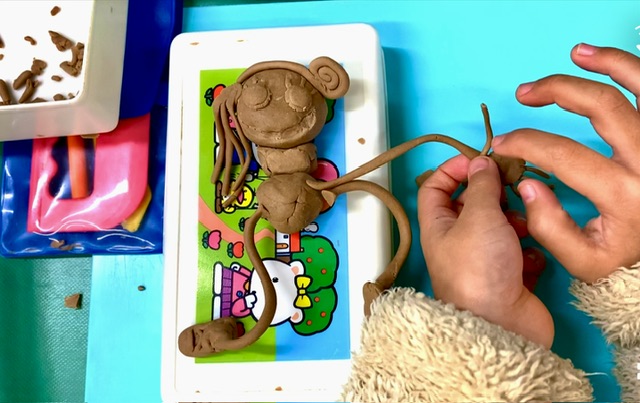
そばに寄って、工程をみていると、
その手先の器用さに驚き‼️です
しかも、素早い 要領が良い
👧年長児の好きなキャラクターとか。
マミー〇〇〇レッグス
反対側の腕の
指を作っているところ
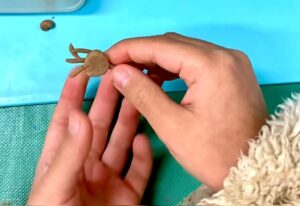
腕を取り付けるよ
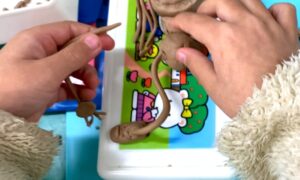
✨✨両腕がついて出来上がり✨✨
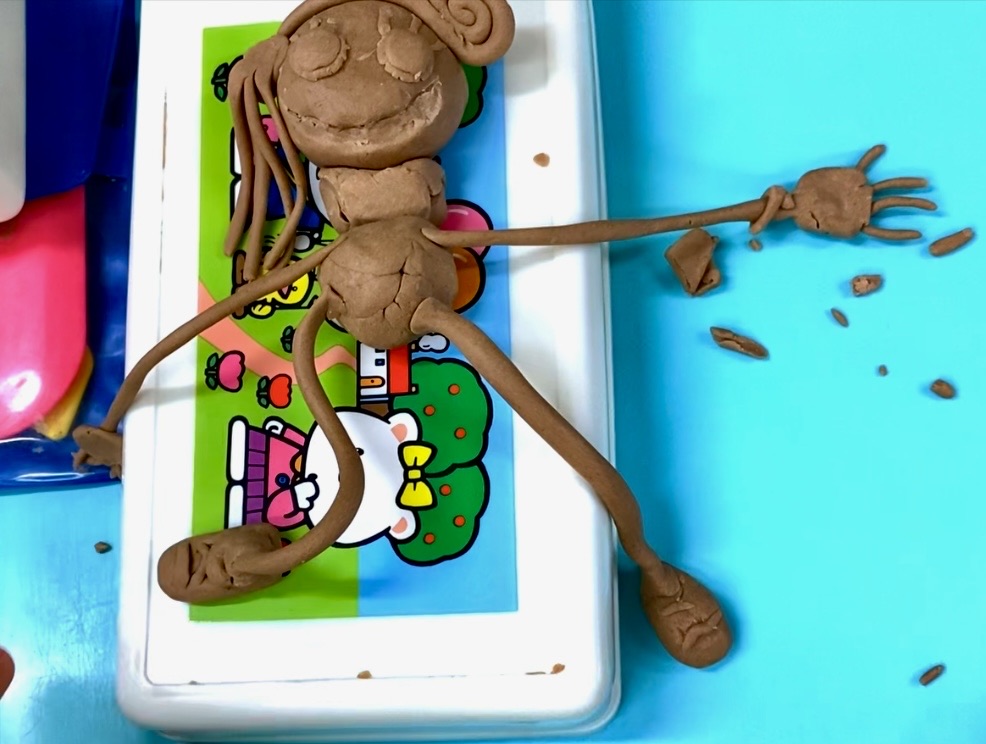
あとで、検索してみたら、この粘土作品はキャラクターにそっくりでした👏
何にもみてなくても、どんどん作り上げていた
その子の再生能力の凄さに、
驚きが倍に😄
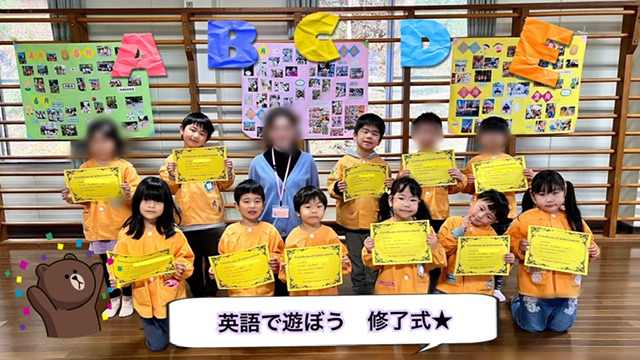
年少組から年間36回(開園日中1週間に1回)「英語で遊ぼう!」
の時間があります。
その「英語で遊ぼう!」も、年長組は今回で最終日を迎えました。
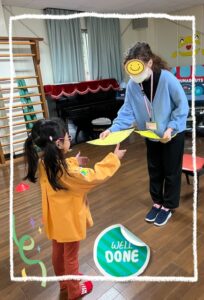
先生から賞状を手渡していただき、嬉しそうでした。
まだ幼稚園生のこどもたちですが、小さい頃から英語の音や外国人との触れ合いの機会を継続的に持ててきたことは、
語学のみならず、こどもたちの将来に良い影響を及ぼすことと思います。