〒502-0005
岐阜市岩崎2-18-1
岐阜市岩崎2-18-1











 >ブログ
>ブログ










春休みの間に、
諏訪幼稚園では、🌸春のお花が 咲きそろってきました。
それと同時に🍃野菜など葉物も育ってきていますよ。
若々しく 光る緑の サニーレタス
食べたい 😋
花壇のビオラの隣で 一緒に育ったサニーレタス
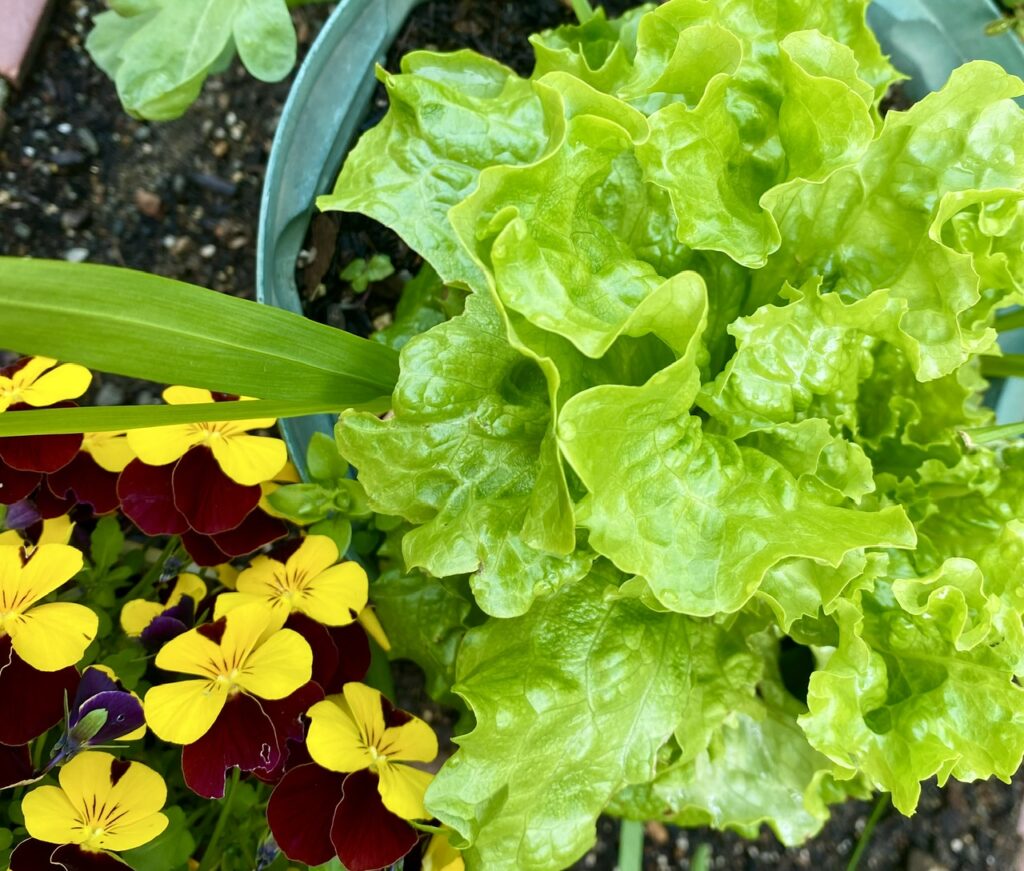
そのほかのリーフも
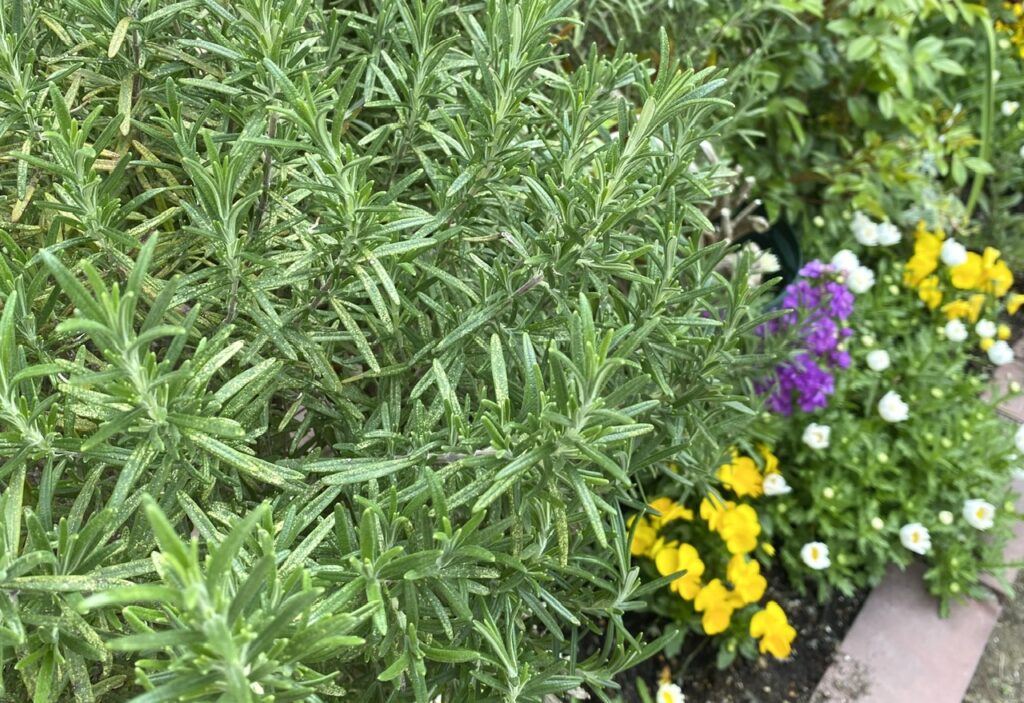
強い匂いのハーブ
ローズマリー
バラの苗の虫除けにも
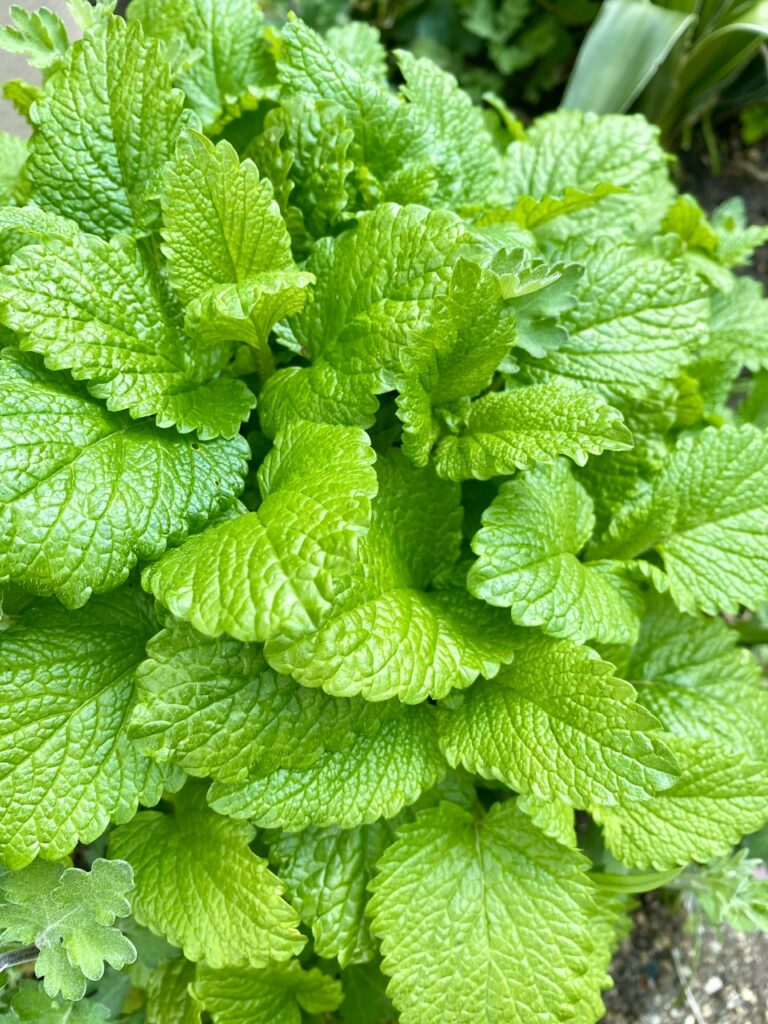
👐 葉っぱを 擦ってみて ミント
Preschool Education Overview In Leksand, preschool education is deeply rooted in a connection with nature. Children spend a significant portion of their day outdoors regardless of weather conditions, engaging in forest exploration and gardening, which help sharpen their five senses. The philosophy of “learning through outdoor play” is well integrated into the curriculum, emphasizing seasonal awareness and environmental interaction. Most facilities are small-scale, fostering a familial atmosphere and strong relationships between educators and children. Leksand also incorporates cultural heritage into everyday learning, featuring local festivals, music, and crafts. While adhering to Sweden’s national education standards, the approach remains flexible, allowing for adaptation to local characteristics. This creates a rich educational environment that values unity with nature and child-centered development.
Example Activities
参考サイト:
🌲 レクサンド(Leksand)
特徴: 自然との共生を重視した屋外教育が充実。森や湖に囲まれた環境で、子どもたちは四季を感じながら学びます。
幼児教育の概要(約200語) レクサンド市の幼児教育では、自然とのふれあいが日常に根付いています。子どもたちは天候にかかわらず戸外で過ごし、森の中での探検や畑での作業などを通じて五感を育てます。「外遊び=学び」の精神が浸透しており、自然観察や季節の変化を活かした教育が展開されています。また、小規模な施設が多く、家庭的な雰囲気の中で保育者と子どもの信頼関係が深まることも特徴です。伝統文化との融合も進んでおり、地域の祭りや音楽、工芸を取り入れた活動が多く見られます。教育カリキュラムはスウェーデンの国家基準に準じながらも、地域の特色を活かした柔軟なアプローチが可能となっており、自然との一体感を大切にした豊かな幼児教育環境が整っています。
代表的な活動例
参考サイト: